
What is the difference between mono-crystalline and poly-crystalline photovoltaic cells
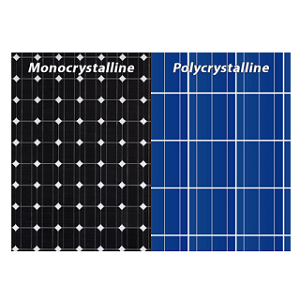
As a first time buyer of solar lights, we might get confused over which solar panels to go for. There are mainly 2 variations which you can choose from while buying solar photovoltaic (PV) cells. These are known as mono-crystalline and poly-crystalline photovoltaic cells in technical terms. These are the major crystalline silicon cells. While buying a solar panel, the most common question which arises is about the quality and cost of each type of cell. In this blog, we will see the differences between mono-crystalline and poly-crystalline photovoltaic cells, which will help the buyers to decide accordingly what type of PV cells they need.
Photovoltaic cells
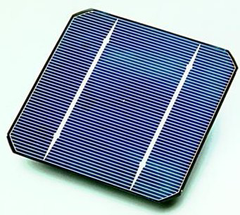
Before going to the differences first let us understand what photo voltaic cells are. Photo voltaic cells are made up of silicon which is a very good semiconductor. With the use of silicon, the energy is captured fast from the sun and converted into electricity as electrons can easily travel through it. Silicon is extracted through the process of carbothermic reduction, a process in which silica is heated in the presence of carbon. Although it is one of the second most abundant elements in the earth’s crust, pure silicon has to be extracted before putting it into use. Once the extracted silicon cools down, it forms crystals. The stage of extraction and the size of the crystals lead to the basic difference between mono-crystalline and polycrystalline panels. Both these technologies serve the same function: capturing energy from the sun and turning it into electricity. They both are made from silicon and there are only a few key differences which we should understand before making a purchase.
Mono-crystalline Solar Cells
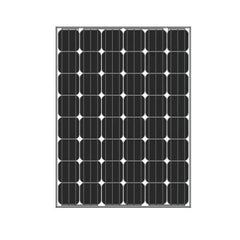
Mono meaning solo; hence, mono-crystalline solar cell means single crystalline cell. When silicon is extracted as a single large crystal, it goes into making a mono-crystalline cell. Since the cell is composed of a single crystal, the electrons that generate a flow of electricity have more room to move. As a result, monocrystalline panels are more efficient than their polycrystalline counterparts. Due to the presence of single crystal, it will absorb more solar energy and produce electricity. These types of panels are costlier because of the four-sided cutting system as compared to polycrystalline solar cells which is simpler in designing. Monocrystalline cells appear black in colour.
Advantages of mono-crystalline solar cells:
- They have an efficiency level of 15-20%
- A single square meter of a monocrystalline cell will generate around 190 W
- It requires less space
- It comes with a warranty of 25 years
- It can perform efficiently even in low sunlight which makes it ideal for cloudy areas
Disadvantages of mono-crystalline solar cells:
- It is relatively expensive in the solar market which can be over the budget for some people.
- When there is an increase in temperature, the performance levels tend to suffer
- There is a lot of waste material when the silicon is cut during its manufacture
Poly-crystalline Solar Cells
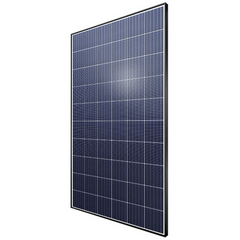
Poly-crystalline cells are produced from a piece of silicon which is made up of many crystals. It is made by melting up many fragments of silicon together to form the wafers for the panel. This silicon is then poured into a square mould which creates the specific shape of poly-crystalline. They do not go through any cutting process like mono-crystalline cells. These solar panels are also known as multi-crystalline or many-crystal silicon. Although these solar cells are available at an affordable price, it is less efficient compared to mono-crystalline since there is less freedom for the electrons to move. They also need a lot of space and they are usually grainy and appear like dark-blue hue.
Advantages of Polycrystalline cells:
- The manufacturing process of polycrystalline is cheaper and easier compared to monocrystalline cells.
- There is no wastage in creating polycrystalline cells
- High temperatures have less negative effects on efficiency compared with mono-crystalline cells
Disadvantages of Polycrystalline solar cells:
- Efficiency is only around 13-16% due to low levels of silicon purity so they are less efficient
- One square meter of a polycrystalline cell generates 5.25% less than a monocrystalline cell
- They need more space for installation as they have lower output rate
The working principle of both types of solar panels is the same; however, most of the modern solar street lights prefer using polycrystalline solar panels due to their affordability and their ability to perform better in high temperatures makes them a suitable option for Indian climate. It is an obvious truth that monocrystalline solar panels have a higher conversion rate and in the regions that receive less sunlight and have a lot of rainy days, it is recommended to use monocrystalline solar panels.
The installation and maintenance of both monocrystalline and polycrystalline panels are the same. Cleaning the solar panels and doing routine inspection of the parts can help sustain and increase the efficiency of the solar panels. To conclude, both mono-crystalline and poly-crystalline cells help in decreasing the electricity bill. They both are good in technologies and choosing one simply depends on personal taste, budget and availability of space.